
Shortbread Cookies

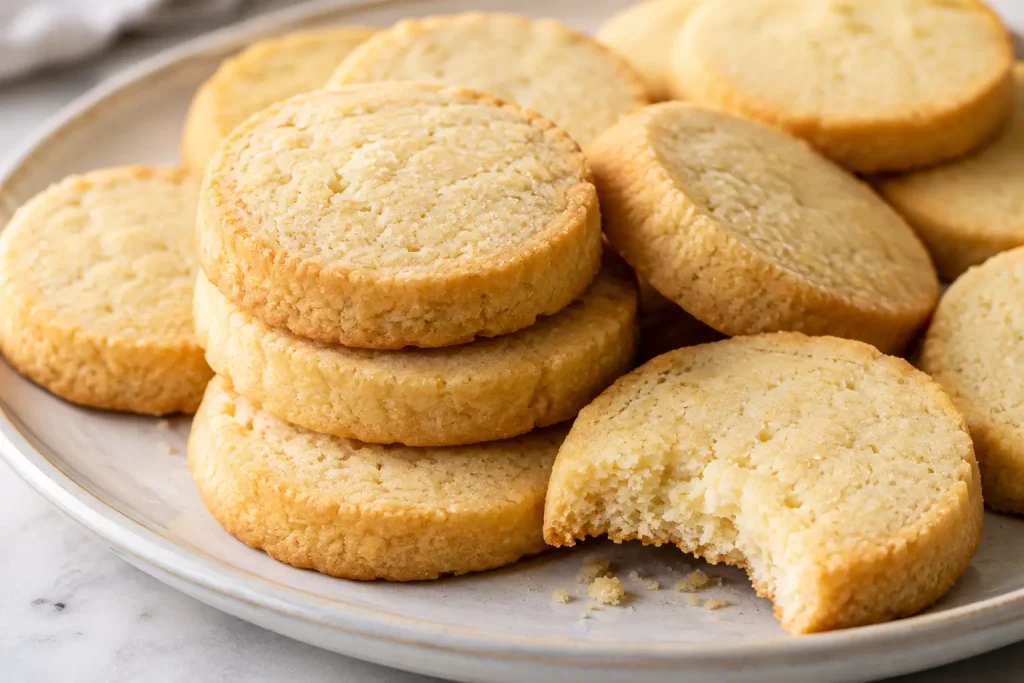
Shortbread Cookies are a timeless classic known for their rich buttery flavor, delicate crumb, and simple ingredient list. This traditional version focuses on the balance between high-quality butter, sugar, and flour to create cookies that are crisp around the edges while staying tender in the center. Made without complicated techniques or unnecessary ingredients, these cookies are ideal for holiday baking, afternoon treats, or anytime you want a classic homemade cookie with a bakery-quality texture.
Why You’ll Love This Recipe
- Made with simple pantry staples and no complicated steps.
- Rich buttery flavor with a traditional shortbread texture.
- Delicate cookies that hold their shape well during baking.
- Easy dough that can be rolled and cut into your favorite shapes.
- Perfect for gifting, holiday cookie trays, or everyday baking.
- A reliable recipe that works well for beginner bakers.
Ingredients
- 1 cup (226 g) unsalted butter, softened to room temperature
- 2/3 cup (135 g) granulated sugar
- 1 teaspoon pure vanilla extract
- 1/2 teaspoon fine sea salt or kosher salt
- 2 1/4 cups (280 g) all-purpose flour
- 1/4 cup (30 g) cornstarch
Optional:
- 1 teaspoon finely grated lemon zest for a light citrus flavor
- 1/2 cup mini chocolate chips or finely chopped nuts for added texture
Kitchen Tools
- Stand mixer or hand mixer
- Mixing bowls
- Measuring cups and kitchen scale
- Rolling pin
- Cookie cutters or sharp knife
- Baking sheets
- Parchment paper
How to Make Shortbread Cookies
- Prepare the dough Preheat the oven to 325°F. Line two baking sheets with parchment paper. In a large bowl, beat the softened butter and sugar together on medium speed until smooth and creamy, about 2–3 minutes. Avoid whipping too much air into the mixture because traditional shortbread should have a dense, tender texture rather than a cake-like crumb. Add the vanilla extract and salt, then mix until combined.
- Combine the dry ingredients In a separate bowl, whisk together the flour and cornstarch. Cornstarch helps create the classic shortbread texture by reducing gluten development and making the cookies more delicate. Gradually add the dry ingredients to the butter mixture on low speed. Mix just until the dough comes together and no dry flour remains. Overmixing can make the cookies tougher.
- Chill the dough Turn the dough onto a lightly floured surface and gently shape it into a flat disk. Wrap and refrigerate for about 30 minutes. Chilling allows the butter to firm up, which helps the cookies maintain clean edges while baking.
- Shape the cookies Roll the dough to about 1/4-inch thickness. Cut into rounds, squares, or your preferred shapes. Place the cookies about 1 inch apart on prepared baking sheets. If the dough becomes soft while shaping, chill the cut cookies for another 10 minutes before baking.
- Bake until lightly golden Bake for 18–22 minutes, depending on the size of your cookies. The edges should look slightly golden while the centers remain pale. Shortbread is a low-moisture cookie, so it may not look dramatically different when finished. Avoid baking until deeply browned, as this can make the texture dry.
- Cool completely Allow the cookies to cool on the baking sheet for 5 minutes, then transfer them to a wire rack. They will become firmer and develop their classic crumbly texture as they cool.
Pro Tips
- Use real unsalted butter for the best flavor. Since butter is the main ingredient, its quality makes a noticeable difference.
- Make sure the butter is softened but not melted. Warm or greasy butter can cause the cookies to spread.
- Measure flour accurately. Too much flour will make shortbread dry and crumbly instead of tender.
- Do not overmix the dough after adding flour. Minimal mixing keeps the texture delicate.
- Chill the dough if your kitchen is warm or the cookies feel soft while shaping.
- Bake one test cookie first if you are unsure about your oven temperature or cookie thickness.
- Let the cookies cool fully before storing because the texture continues to improve as they set.
Variations
Chocolate Shortbread Cookies:
Replace 1/4 cup of the flour with unsweetened cocoa powder for a chocolate version with a deeper flavor.
Almond Shortbread Cookies:
Add 1/2 teaspoon almond extract and replace 2 tablespoons of flour with finely ground almond flour.
Glazed Shortbread Cookies:
Once cooled, drizzle with melted chocolate or a simple powdered sugar glaze for a decorative finish.
Storage & Freezing
Store baked Shortbread Cookies in an airtight container at room temperature for up to 1 week. Keep them away from moisture to maintain their crisp, delicate texture.
For longer storage, freeze baked cookies in a freezer-safe container for up to 3 months. Place parchment paper between layers to prevent them from sticking together.
The cookie dough can also be frozen. Wrap tightly and freeze for up to 2 months. Thaw the dough in the refrigerator before rolling and baking.
Conclusion
These classic Shortbread Cookies prove that simple ingredients can create something special. With plenty of butter, a tender crumb, and a traditional homemade flavor, this recipe is a dependable choice for both new bakers and experienced cookie makers. Take your time with the dough, use quality ingredients, and enjoy a batch of perfectly buttery cookies from your own kitchen.


Comments 0
No comments yet. Tell us how your bake turned out.